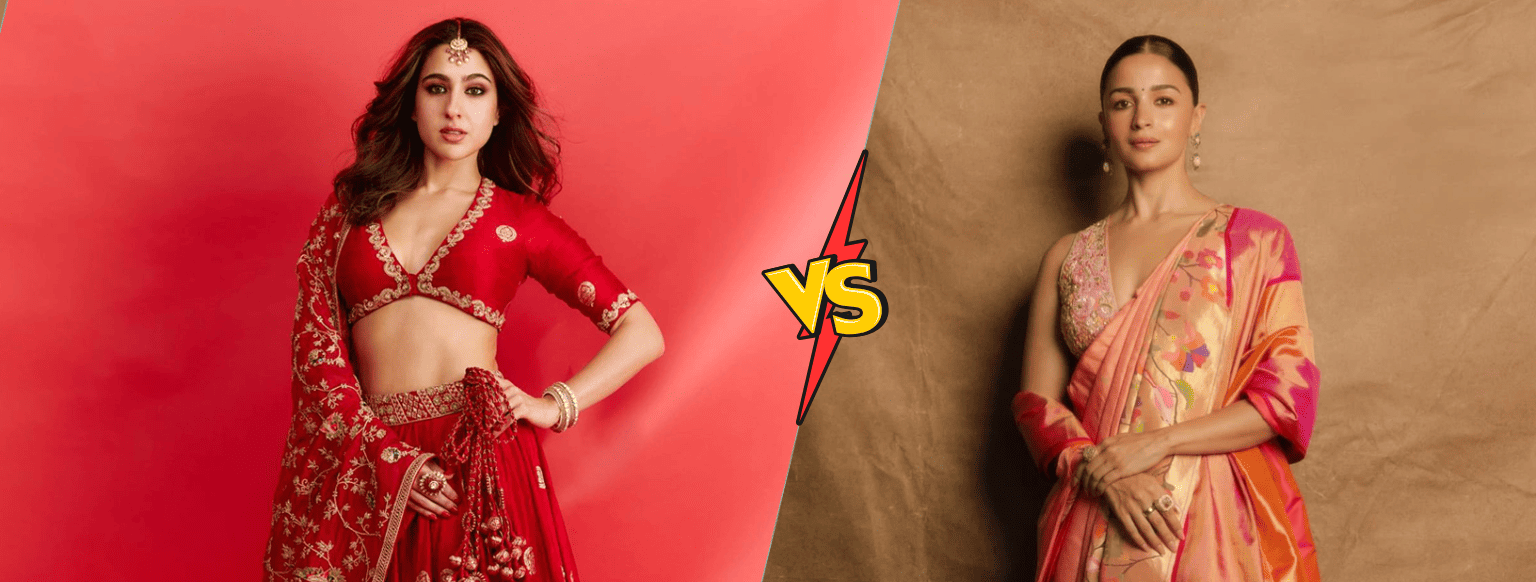
Lehenga vs Saree: Which One Should You Wear?
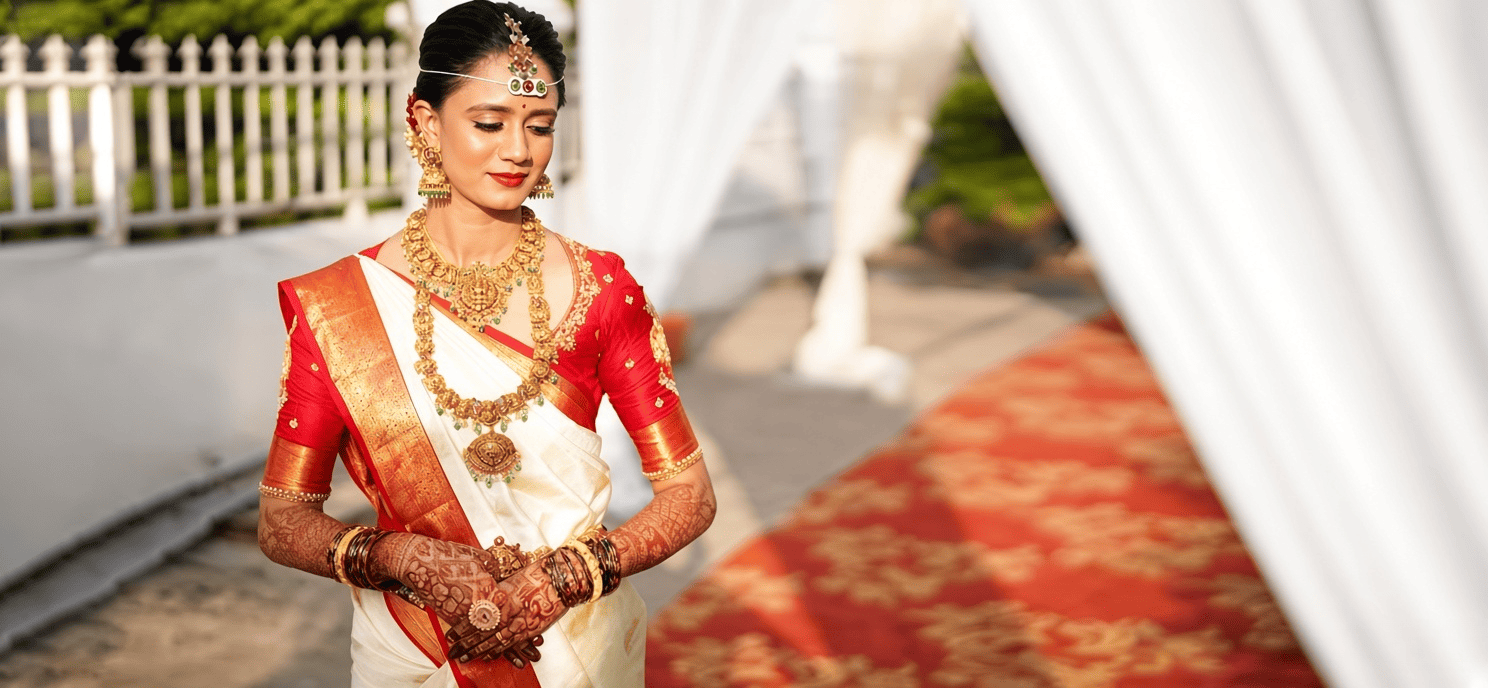
A saree is unstitched length typically five to nine yards wrapped, pleated and pinned over a blouse and petticoat. The silhouette is created on the day, on your body.
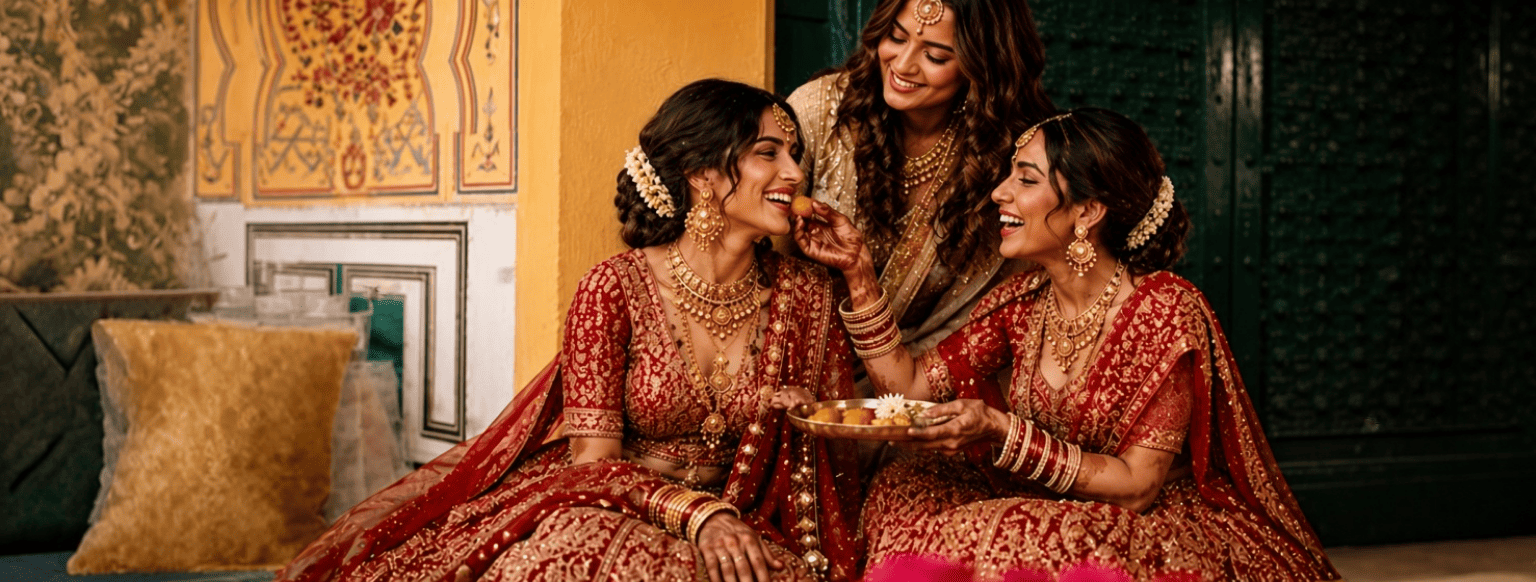
A lehenga (lehenga choli) is a pre-shaped three-piece: flared or panelled skirt, blouse, dupatta. The silhouette exists before you put it on. Your job is to inhabit it.
Luchila Fashion carries both for that reason: the question is the event, not a ranking of tradition.
What a saree actually is
A saree is one piece of cloth plus two supporting garments.
- The saree — field, border, pallu. Silk, cotton, chiffon, georgette, organza, tissue, handloom, mill.
- The blouse (choli) — fitted, stitched to you; this is the engineering.
- The petticoat — the grip. If this slips, the drape is theatre.
You tuck, pleat and throw the pallu. Regional drapes (nivi, seedha pallu, Bengali-influenced wraps, nauvari and others) change the look without changing the fact that the cloth is still a length.
Names you will see — Banarasi, Kanjeevaram, organza, georgette, “designer,” ready-to-wear — describe weave, weight or convenience. They are not different species. A ready-to-wear or pre-draped saree is still a saree; the pleats have been partly decided for you.
What a saree is not: a costume you step into. If you cannot keep the pallu through sitting and walking, you do not have a look. You have a negotiation.
What a lehenga actually is
A lehenga is three pieces that have to agree.
- The skirt — flare, kali, fish-cut, attached lining or can-can, drawstring or hooks, embroidery that only sits right at a certain waist.
- The blouse — same job as a saree blouse, often more structured for bridal sets.
- The dupatta — optional in some modern looks, expected at many ceremonies. It is not a pallu until you drape it like one.
You do not invent the skirt shape on the morning. You fasten it at the waist it was cut for, usually the natural waist, not low on the hip.
Bridal, party, velvet, organza, guest-weight — those are density and fabric, not a different garment. A “lehenga saree” (stitched skirt with a saree-like pallu) sits between the two: easier than unstitched six metres, still dependent on a trailing end you must control.
Side by side
| Saree | Lehenga | |
|---|---|---|
| Structure | Unstitched (or pre-stitched) length | Pre-cut skirt + blouse + dupatta |
| Silhouette | Made by the drape | Made by the pattern |
| Time to dress | Longer if you drape from scratch | Shorter if fit is already right |
| Skill | Draping, pinning, pallu management | Waist, hem, dupatta pin — still a skill, different one |
| Movement | Elegant when stable; fiddly if unpinned | Usually easier to walk and dance; heavy can-can is the exception |
| Alteration | Blouse and hem/petticoat; the field is one piece | Waist, hem (harder if the border is worked), blouse |
| Photographs | Pallu and border are the story | Flare and blouse are the story |
| Beginner-friendly | Pre-drape yes; classic six-metre often no | Generally yes, if the blouse closes |
| Heirloom / weave | Stronger home for Kanjeevaram, Banarasi, Paithani as cloth | Work and flare can be heirloom; less often “one uncut textile” |
Comfort is not a trophy for either. A well-pinned cotton saree can outlast a 12-kilo bridal lehenga. A georgette lehenga can outlast a slipping organza pallu in wind.
Construction: why they feel different on the body
The saree’s elegance is also its risk. Pleats migrate. The pallu becomes a sail. The petticoat is the whole foundation. Change shoes, and the hem is wrong. Change how you sit, and a pin tells on you.
The lehenga’s ease is also its limit. The flare is decided. If the waist sits on the hip, the embroidery band is in the wrong place and the blouse–skirt gap becomes the outfit. If the hem was cut for boutique heels and you wear juttis, you trip or you look unfinished. You cannot “redrape” a kali skirt into a new personality. You can change the dupatta and the blouse.
That is why international and first-time buyers often prefer lehengas: the failure mode is alteration, which a tailor can do, not a drape you have to reproduce at 7 a.m. in a hotel.
Luchila Fashion’s ready and made-to-measure pieces assume that distinction. A saree still needs a blouse that can take a pallu pin. A lehenga still needs a waist that stays. Convenience is not the same as skipping fit.
Comfort, dancing, sitting, toilets
Be honest about the hours.
Saree. Lightweight georgette and cotton can be all-day clothes. Heavy silk in heat is a stamina test. You will think about the pallu. Pins help; they are not optional for a wedding. Floor sitting for rituals is doable if the front pleats are not a wall.
Lehenga. Walking and sangeet are usually easier. Bridal can-can and velvet are not. Cars, chairs and marble stairs have physics. You pick the skirt up from the inside on steps. A dupatta you refuse to pin will cancel the “easy” argument.
Neither wins “more comfortable” as a category. Weight, climate, lining and whether you have practised win.
For a long sangeet, many people find a lighter lehenga kinder than a first-time Banarasi. For a temple ceremony where a pallu is part of the language of the room, a saree you know how to keep can look more at home than a mermaid lehenga you cannot sit in.
Weddings: bride, family, guest
Both are wedding garments. The mistake is using bridal density for a guest seat.
Choose a saree when:
- The ceremony is one where drape and weave are the expected language (many South Indian temple weddings, many family rituals)
- You want the textile itself — a Kanjeevaram, a Banarasi pallu — to be the object
- You already drape, or you have a dresser / a pre-stitch you trust
- Reception and you want a cleaner, less “ballgown” line
Choose a lehenga when:
- You want flare in photographs and a waist that does not depend on tucks
- Sangeet, dancing, destination dressing without a draping rehearsal
- Bridal volume and a structured blouse are the brief
- You are a guest who should look festive, not like a second bride in six metres of zari
Brides. Lehengas have been the default “grand” look in a lot of North Indian and diaspora photography for years. Bridal sarees remain the centre of many communities and are not a lesser choice. If you are doing two events, a ceremonial saree and a lighter reception lehenga (or the reverse) is a wardrobe, not indecision.
Guests. Drop one level of weight from the couple. Do not match the bride’s colour and density. A quiet silk saree or a moderate lehenga both work; competing with the mandap does not.
Luchila Fashion’s wedding and festive sets are easier to shop when you filter by job — ceremony drape, guest lehenga, reception saree — rather than by which silhouette is trending this month.
Styling: they take different accessories
A saree already occupies the body in a column. Jewellery hangs against a pallu and a blouse. A belt can modernise; a jacket can corporatise or warm a reception. Pre-draped and belted drapes are still sarees.
A lehenga is a waist and a flare. Crop blouses, capes, jackets, belted dupattas, ruffle dupattas, Indo-western shirts — those are lehenga conversations. Putting a cape and a full dupatta and a veil on a guest is how you wear three outfits.
Hair: off the pallu pin or the dupatta shoulder. Shoes: hem for the pair you will wear, for both garments.
The “2026 look” people mean is usually lighter cloth, more negative space in embroidery, pre-stitched convenience, pastel or jewel fields, capes on lehengas, organza and pre-drape on sarees. Trends are a menu. A Kanjeevaram in a temple and a cape lehenga at a hotel reception can belong to the same wedding weekend.
If you have never worn either
Lehenga is usually the easier first garment — if the blouse is fitted and someone checks the waist and hem. You still need a 15-minute rehearsal: sit, stairs, arms up.
A pre-stitched or pre-draped saree is the honest saree for a 7 a.m. start or a destination bathroom. It is not “less traditional.” A slipping nivi drape on the mandap is not more authentic.
A classic unstitched saree is worth it if you will practise, or if a person who loves you can drape you and stay nearby. Learning on the wedding morning is how pallus end up in the fire photographs.
International buyers often do well with:
- Lehenga + simple dupatta drape, or
- Ready saree + modest blouse,
and jewellery they already know how to wear. Fancy-dress “Indian costume” energy comes from poor fit and too many props, not from choosing the wrong silhouette.
Luchila Fashion’s made-to-measure option matters more for overseas and first-time orders than another row of sequins. Shoulders and torso often do not match sample sizes. A gaping blouse makes both a saree and a lehenga look unfinished in every culture.
How to decide in one pass
- What is the event’s job? Ritual and elders, or dance and dinner?
- What can you keep on your body for six hours? Pallu or flare?
- What is the climate and floor? Wind, grass, marble, AC?
- Who are you in the room? Bride, family, guest.
- Have you worn this construction before? If no, pre-stitch or lehenga, plus a rehearsal.
If you love both, you do not have to pick a personality. Many wardrobes want one good saree and one wearable lehenga for different hours of the same marriage season.
The outfit that looks right at the end of the night is the one whose structure you understood at the start: cloth you wrap, or a skirt you fasten. Everything else — colour, zari, cape, belt — is secondary to that.
FAQs
What is the difference between a saree and a lehenga?
A saree is a draped length of cloth worn with a blouse and petticoat. A lehenga is a stitched flared skirt worn with a blouse and usually a dupatta. One is built on the body; the other is built by the pattern.
Which is more traditional?
The saree has a longer, more continuous history as everyday and ceremonial dress across regions. Lehengas are equally at home at weddings and festivals. “More traditional” depends on the community and the function, not on a universal ranking.
Which is easier to wear?
A fitted lehenga is usually easier for beginners and for dancing. A saree is easy only if you can drape it or it is pre-stitched. A heavy bridal lehenga is not easier than a well-pinned cotton saree.
Saree or lehenga for a wedding?
Both. Brides often use a lehenga for volume and a saree for ritual — or the reverse, depending on family. Guests should choose the lighter, less bridal option of the two.
Can I wear a saree to a reception?
Yes. A designer or lighter saree is a strong reception look, especially if the ceremony was already a heavy lehenga. Match night lighting: jewel tones and clear borders read better than tiny dusty prints.
Is a lehenga more comfortable for long events?
Often, for walking and sangeet, if the weight is reasonable. Not if the can-can is rigid or the blouse bites. Comfort is fit, lining and hours, not the category name.
Are ready-to-wear sarees a good idea for beginners?
Yes, if the stitch holds after you sit and the blouse is as considered as the cloth. They are how many people make a saree as reliable as a lehenga on a short morning.
Which is better for international or destination weddings?
Lehengas and pre-draped sarees, because you can rehearse fit without needing a draping tradition on the day. Pack jewellery separately so it cannot snag work in a suitcase.
Can I wear both in one wedding?
Yes. Different events can take different constructions. Repeating a colour family keeps the album coherent.
Where should I shop if I still cannot decide?
Try the same colour story in both constructions if you can. Sit, walk, raise your arms. Luchila Fashion stocks sarees and lehenga sets with made-to-measure on blouse and length so the comparison is about the garment, not about a sample size that was never yours.